Buyer's Guides
How to Photograph Floral Packaging Problems for a Supplier
When floral packaging arrives damaged or appears different from the approved sample, useful photographs show what was ordered, what arrived and how the problem is distributed. One close-up can show a mark, but it rarely explains which item is affected or how many pieces need review.
This guide gives flower shops a practical evidence checklist for contacting a supplier. It does not set a refund entitlement, claim deadline or inspection standard. Follow the terms of your order and contact the supplier promptly when a problem is found.
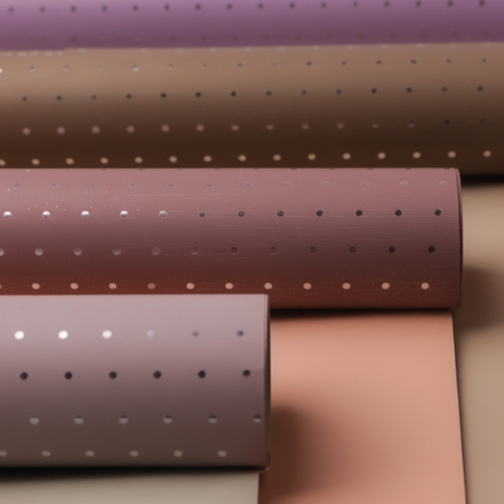
Keep the affected stock identifiable
Set aside the affected items with their packaging and labels. Keep them separate from usable stock, and avoid discarding, relabeling or modifying the material before the supplier has reviewed the issue. If you must use some unaffected items for existing orders, record how many were used and which packs they came from.
Keep a copy of the order, invoice, approved specification and any retained sample. A photo of the packing label helps connect the images to the correct product, color and batch where those identifiers are provided. Do not invent a batch number when none is present.
Take a small sequence of clear photographs
| Photo | Include | What it explains |
|---|---|---|
| Delivery overview | The carton and visible condition before unpacking where available | The state of the outer packaging |
| Identification | Relevant item and pack labels, kept legible | Which supplied reference is being reviewed |
| Full item | A complete sheet, sleeve, roll or box on a neutral surface | Where the issue sits within the product |
| Detail | The mark, tear, seam, edge or print issue in focus | The nature of the observed difference |
| Comparison | The delivered item beside the approved reference, labeled separately | What differs under the same conditions |
| Measurement | A ruler aligned with the dimension being checked | How the reported measurement was obtained |
Photograph the whole ruler segment needed to read the measurement. Keep the camera as square to the item as practical and show the start and end points. For a tapered sleeve, specify top width, bottom width and length rather than reporting one unlabeled width. The sleeve measurement guide explains why the measurement convention matters.
Show color differences without overstating the evidence
Place the delivered material and retained sample beside each other under the same light. Turn off beauty filters and avoid editing the color. Label which piece is the reference. Take a full-item view as well as a closer comparison, especially when both sides of the material are different.
A phone photo can help locate an obvious mismatch, but camera exposure, lighting and the viewer’s screen change how color appears. Describe the observed difference in words and retain the physical samples. If a measured color tolerance was part of the order, ask how the supplier will assess it; a screen comparison is not a substitute for that agreed method.
Count what you inspected and what you found
Report the total quantity received, the quantity inspected and the quantity showing the issue as separate figures. For example, “We opened two packs, inspected 30 sleeves and found four with split side seams” is an illustrative reporting format, not a recommended sampling plan. Do not extrapolate four defects to every carton without further evidence.
List different issues separately. A shortage, a wrong printed design and a crease mark require different comparisons. Record whether a mark appeared before handling or during a particular folding step. When the problem only appears in use, a short sequence showing the normal assembly can be more informative than a still photograph.
Send a concise description with the images
Use this structure: order reference; item reference and quantity; date received; observed issue; quantity inspected and affected; relevant approved specification; and the review or remedy you are requesting. State facts without assigning a cause that has not been established. A crushed carton does not by itself establish where in the journey the damage occurred.
Share the evidence privately with the supplier. Keep the original files, and cover unrelated customer names, delivery addresses or payment details in copies that do not require them. If the supplier needs shipping-label details to trace the delivery, send only what is relevant through the agreed channel.
Use the outcome to improve the next order
Record the supplier’s response and agreed next step beside the issue. Keep any revised specification, replacement reference or packing instruction with the order record. An agreed change should be reflected in the next quotation, not left only in a photo conversation.
Questions florists ask
Is one close-up enough?
Usually an overview and identification photo are also useful. The supplier needs to connect the detail to the correct item and see its location.
Should I throw away damaged packaging immediately?
Keep it identifiable while the supplier reviews the issue, unless there is a practical safety reason not to. Ask what evidence or return arrangements are required under your order terms.
Can photographs prove waterproof performance?
No. They can document a particular observation or leak, but they do not establish a general material rating. Report the assembly and conditions and refer to the specification agreed for that product.
Discuss a WrapStoria order
Use the existing order conversation or WrapStoria’s enquiry page, quoting the order and product references. For a new purchase, the print sample checklist can help define a reference before production.
